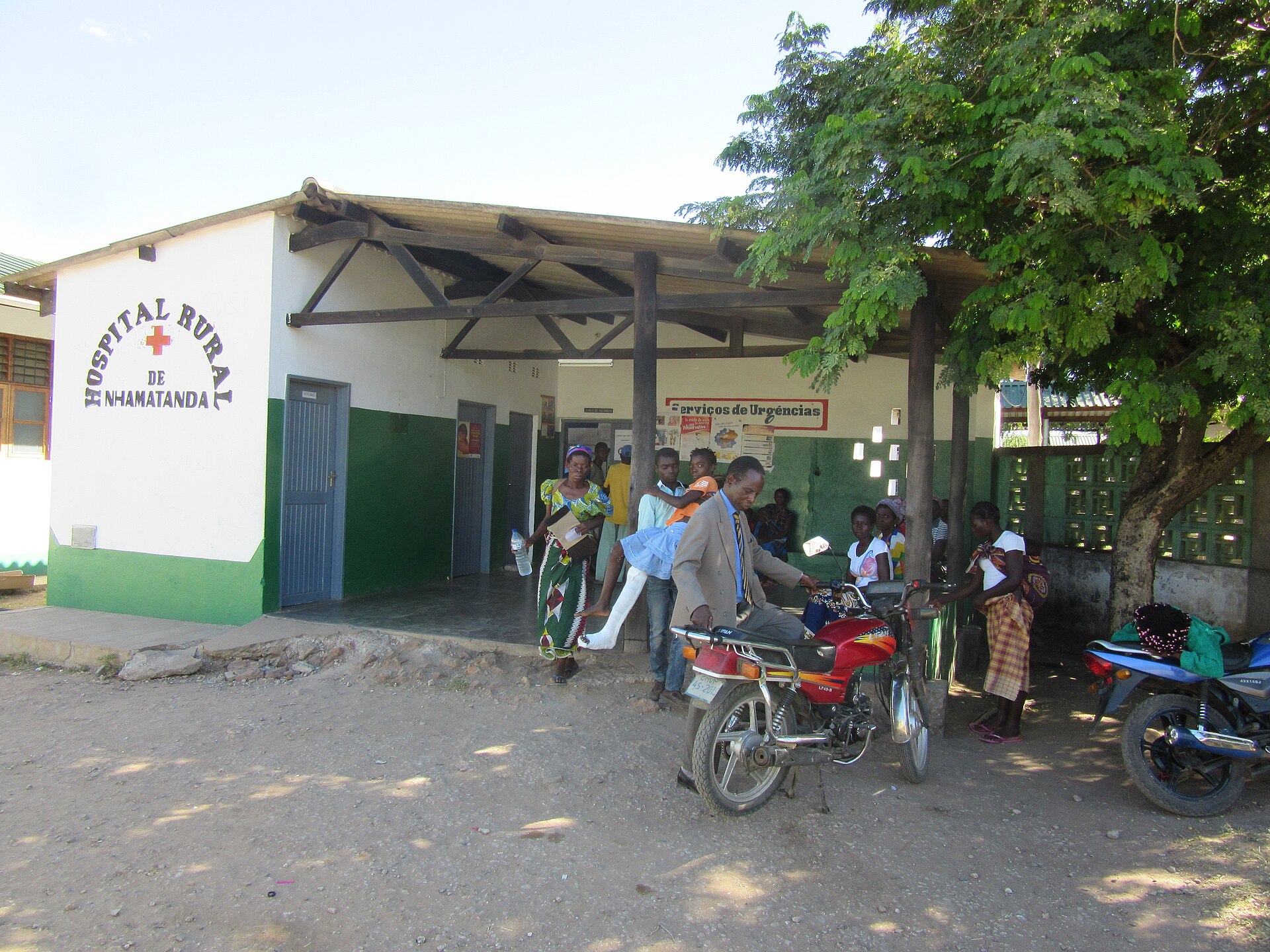
More than 130 rural hospitals have closed or converted to limited-service models since 2010, and staffing shortages — not just reimbursement cuts — drive many of those decisions. Registered nurses, licensed practical nurses, radiology technicians, and primary-care physicians are disproportionately concentrated in metropolitan corridors, leaving counties with populations under 50,000 chronically understaffed.
Why clinicians leave rural practice
Compensation gaps matter, but they are not the whole story. Rural nurses often earn within 8 to 12 percent of urban peers yet face on-call burdens, limited specialty backup, and fewer continuing-education opportunities. Young physicians carrying six-figure education debt frequently choose hospital systems that offer loan-repayment programs, research affiliations, and spousal employment options unavailable in towns with a single employer.
Burnout accelerated after 2020. Travel-nurse contracts paid two to three times staff wages during peak demand, persuading experienced clinicians to leave permanent rural posts for temporary assignments in larger markets. When contract rates normalized, many did not return — creating a permanent talent drain rather than a cyclical swing.
"A county without obstetric services is not merely understaffed — it loses an entire category of community infrastructure that took decades to build."
Demographic pressure on supply
Rural America skews older. Patients require more chronic-disease management while the working-age population shrinks. Nursing schools produce graduates, but clinical rotation slots in small hospitals are limited, and new nurses often prefer urban first assignments where mentorship networks are deeper. The Health Resources and Services Administration designates thousands of primary-care shortage areas; a majority fall outside major metros.
Telehealth and scope-of-practice debates
Telemedicine expanded access to specialists — cardiologists, psychiatrists, oncologists — without requiring relocation. Yet hands-on nursing, emergency triage, and surgical services cannot be virtualized. States debating expanded scope for nurse practitioners and physician assistants argue rural coverage improves when mid-level providers can practice independently; physician groups counter that patient complexity in underserved areas demands physician oversight.
Policy responses under discussion
Federal programs offering loan forgiveness for clinicians who commit to rural service have mixed retention results — incentives work best when paired with housing assistance and predictable scheduling. Some states fund community college nursing pipelines with guaranteed rural placements. Hospital consolidation into regional systems can stabilize finances but sometimes centralizes specialty staff at hub facilities, leaving spoke campuses thinner than before.
What communities experience
When a rural unit closes its labor-and-delivery ward, expectant families drive ninety minutes or more for prenatal care. Emergency departments operating with skeleton crews divert ambulances to distant trauma centers. These are workforce outcomes measured not in national payroll reports but in access times and mortality differentials that persist across ZIP codes.
Rural healthcare staffing is a geographic mismatch problem as much as a training pipeline problem — solving it requires incentives, scope-of-practice clarity, and infrastructure that makes small-town practice sustainable for the long term.