The federal minimum wage has remained at $7.25 per hour since 2009 — the longest stagnation period in American history — yet most workers effectively face higher floors because thirty states and dozens of municipalities set their own rates. In 2026, hourly minimums range from the federal baseline in parts of the South and Midwest to above $17 in Washington state and several California cities.
The layered wage system
Employers must pay the highest applicable rate among federal, state, county, and city requirements. A restaurant in Seattle faces a different calculation than an identical franchise in Boise, even within the same national chain. Tipped-worker subminimum wages add another layer: several states require employers to guarantee full minimum through tip credits, while others maintain separate cash-wage floors for servers and bartenders.
Indexed wages — tied to inflation via automatic annual adjustments — operate in states including Colorado, Arizona, and Maine, reducing legislative battles but creating payroll uncertainty for small businesses projecting multi-year budgets.
High-floor states and metros
California, Washington, Connecticut, and Massachusetts cluster at the top of state rankings, with major metros pushing higher still. New York's tiered system sets different rates for New York City, Long Island, and upstate regions reflecting cost-of-living variation. These floors compress entry-level wage dispersion — fewer workers earn exactly the minimum because market rates in tight labor markets already exceed legal baselines.
"Minimum wage is a legal floor, not a market wage — in tight labor markets, binding constraints matter less than in slack ones."
States at the federal baseline
Twenty states align with the $7.25 federal rate, predominantly in the Southeast and parts of the Plains. Proponents argue lower floors preserve entry-level opportunities and attract employers; critics point to full-time earnings below poverty thresholds for single-parent households. Ballot initiatives periodically force wage increases even in legislatures resistant to statutory raises — Nebraska and Missouri recent examples.
Economic research and real-world friction
Academic studies on employment effects of minimum wage increases produce contested conclusions — modest hikes in dense metros show limited disemployment in many analyses, while sharp increases in lower-cost regions generate more employer concern. Practitioners note that compliance, scheduling cuts, and menu-price pass-through often matter more to workers than theoretical employment elasticities. Franchise owners report automation investment accelerates when wage floors jump faster than revenue growth.
Interaction with other labor standards
Minimum wage debates intersect with overtime thresholds, predictive scheduling laws, and paid sick leave mandates — particularly in coastal states packaging worker protections into comprehensive packages. Multi-state employers harmonize policies at the highest standard or maintain state-specific handbooks, each approach carrying administrative cost.
What workers should track locally
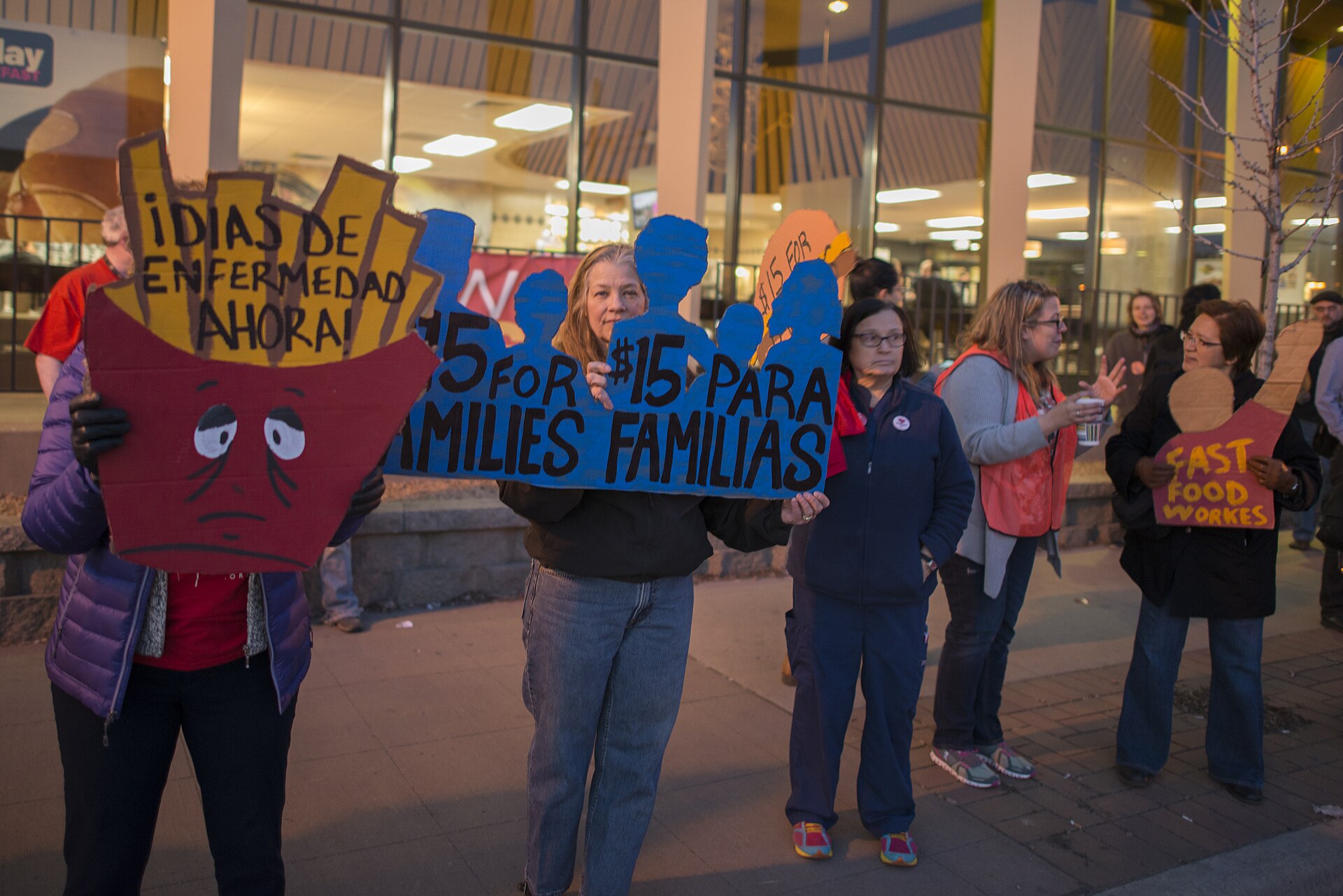
Annual January adjustments in indexed states, ballot measures in election years, and city council ordinances targeting fast-food or hotel sectors can change paychecks without national headlines. Workers comparing offers across state lines should calculate housing, transit, and tax burdens alongside hourly rates — a higher nominal minimum does not always translate to greater purchasing power.
America's minimum wage is a patchwork of federal stagnation and state innovation — understanding local floors is essential for interpreting compensation in retail, hospitality, and other entry-level sectors.